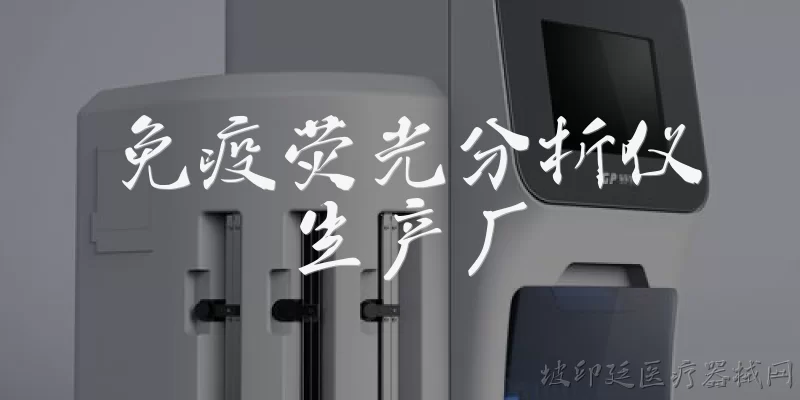
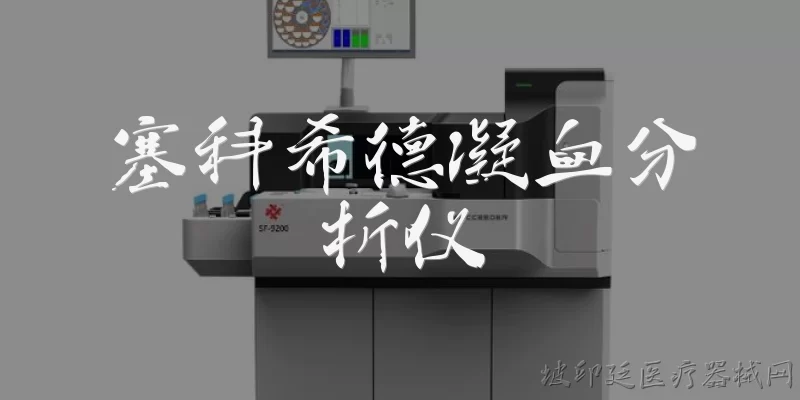
Sekisui Coagulation Analyzer:What is a Sekisui Coagulation Analyzer?
Q: What is a Sekisui Coagulation Analyzer?
A: A Sekisui Coagulation Analyzer is a medical laboratory instrument designed to perform tests related to blood clotting. Sekisui Medical, a Japanese company, produces these analyzers to measure parameters such as prothrombin time (PT), activated partial thromboplastin time (APTT), fibrinogen, and D-dimer. They are used in clinical settings to diagnose bleeding disorders, monitor anticoagulant therapy, and assess thrombotic risk. The analyzers offer automated, precise, and rapid results, often utilizing chromogenic, immunologic, or mechanical detection methods. They are essential in hospitals and reference laboratories where accurate coagulation testing is critical for patient management.
Q: What are the key features of Sekisui coagulation analyzers?
A: Sekisui coagulation analyzers, such as the CP3000 and CP2000 models, offer high-throughput testing with random access and continuous loading. They include features like automated sample and reagent handling, clot detection via multiple methods (turbidimetric, chromogenic, immunologic), and onboard quality control. The systems provide fast turnaround times, with some tests completed in under a minute. They also have user-friendly interfaces, bidirectional LIS connectivity, and comprehensive data management. Additionally, they support a wide menu of coagulation tests, including specialty assays, making them versatile for both routine and specialized hemostasis testing in clinical laboratories.
Q: How does a Sekisui coagulation analyzer work?
A: A Sekisui coagulation analyzer automates the process of mixing plasma with specific reagents to initiate and measure clot formation. For example, in PT and APTT tests, the analyzer adds calcium and thromboplastin or partial thromboplastin, then detects fibrin clot formation optically (turbidity change) or mechanically (viscosity change). For chromogenic tests, it measures the release of a colored compound. The instrument controls temperature, timing, and reagent volumes precisely. Results are calculated against calibration curves and reported quantitatively. The system flags abnormal results and can perform reflex testing. This automation reduces human error and increases efficiency in hemostasis laboratories.
Q: What types of tests can be run on a Sekisui coagulation analyzer?
A: Sekisui coagulation analyzers support a broad menu of hemostasis tests. Routine assays include prothrombin time (PT), international normalized ratio (INR), activated partial thromboplastin time (APTT), fibrinogen, and thrombin time. Specialty tests include antithrombin III, protein C, protein S, D-dimer, factor assays (e.g., factors VIII, IX, II, V, X), and von Willebrand factor. Some models also offer anti-Xa testing for heparin monitoring. The analyzers can run both clotting and chromogenic assays, and many reagents are optimized for Sekisui platforms. This comprehensive test menu makes them suitable for diagnosing bleeding and thrombotic disorders.
Q: What are the benefits of using a Sekisui coagulation analyzer in a clinical lab?
A: Using a Sekisui coagulation analyzer in a clinical lab offers several benefits: high throughput and rapid turnaround time improve workflow and patient care. Automation reduces manual errors and frees technologists for other tasks. The analyzers have a broad test menu, allowing consolidation of routine and specialty coagulation testing on one platform. They provide reliable, reproducible results with advanced clot detection technology. User-friendly software and LIS integration streamline data management. Additionally, Sekisui's reputation for quality and support ensures dependable performance. These benefits lead to cost savings, efficient use of resources, and enhanced diagnostic capabilities in hemostasis testing.
Words of experience
Common scenarios of "Sekisui Coagulation Analyzer"
【Biomedical Engineer】 Good morning, Dr. Rivera. I heard you're evaluating the new Sekisui Coagulation Analyzer. How's it going so far?
【Lab Director】 Good morning, Alex. Yes, we've had it for about a month now. It's been quite impressive, but we're still in the validation phase.
【Biomedical Engineer】 That's great to hear. What specific model did you get? The CP3000 or the CP2000?
【Lab Director】 We went with the CP3000. We needed the higher throughput for our growing test menu.
【Biomedical Engineer】 Good choice. The CP3000 can handle up to 400 tests per hour. How has the throughput been in practice?
【Lab Director】 It's meeting expectations. We're running PT, APTT, fibrinogen, and D-dimer. The automated rerun and reflex testing have really helped with workflow.
【Biomedical Engineer】 Have you noticed any issues with sample integrity or clot detection?
【Lab Director】 Not so far. The system uses a mechanical clot detection method, which is less prone to interference from lipemia or icterus compared to optical methods. That's one reason we chose it.
【Biomedical Engineer】 That's a key advantage. How about the user interface? Is it intuitive for your techs?
【Lab Director】 The touchscreen is responsive, and the software is pretty straightforward. We did have a slight learning curve with the quality control module, but the Sekisui trainer was excellent.
【Biomedical Engineer】 Good to know. Are you using the cap-piercing option? That can reduce manual handling.
【Lab Director】 Yes, we are. It's been reliable, though we did have one instance where it mispierced a tube. But the error was flagged, and we reran the sample without issue.
【Biomedical Engineer】 That's a rare occurrence. Have you had any downtime or maintenance concerns?
【Lab Director】 Only scheduled maintenance so far. The reagent management system is efficient, and we appreciate the onboard stability of the reagents.
【Biomedical Engineer】 How does it compare to your previous analyzer?
【Lab Director】 It's a significant upgrade. The previous one required more manual intervention and had a higher error rate. The Sekisui has improved our turnaround times by about 20%.
【Biomedical Engineer】 That's a solid improvement. Are you planning to add more assays like anti-Xa or protein C?
【Lab Director】 Yes, we're considering anti-Xa for heparin monitoring. The menu is expandable, and the validation should be straightforward.
【Biomedical Engineer】 Sounds like a good plan. Let me know if you need any support with the validation protocols.
【Lab Director】 Will do, Alex. Thanks for checking in. I think this analyzer will be a great asset for our lab.