Why do newborns need a ventilator?:Why do newborns need a ventilator?
Q: Why do newborns need a ventilator?
A: Newborns need a ventilator when they cannot breathe effectively on their own due to prematurity, respiratory distress syndrome, or other conditions. A ventilator is a machine that helps deliver oxygen and remove carbon dioxide by providing breaths through a tube placed in the baby's windpipe. Premature babies often have underdeveloped lungs with insufficient surfactant, a substance that keeps air sacs open, leading to collapsed lungs and difficulty breathing. Other reasons include birth asphyxia, infections like sepsis or pneumonia, congenital diaphragmatic hernia, or persistent pulmonary hypertension of the newborn. Ventilators support breathing until the baby's lungs mature or the underlying condition improves, giving the infant's body time to heal and reducing the risk of organ damage from low oxygen levels.
Q: How does a ventilator help a newborn with respiratory distress?
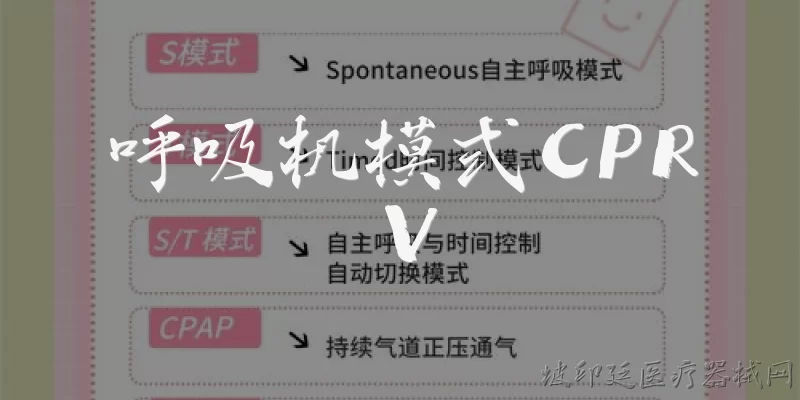
A: A ventilator helps a newborn with respiratory distress by mechanically assisting or fully controlling breathing. It delivers a set rate and volume of air mixed with oxygen, maintaining open airways and ensuring adequate gas exchange. In conditions like respiratory distress syndrome, the ventilator can provide positive end-expiratory pressure (PEEP) to keep the tiny air sacs from collapsing between breaths. This reduces the work of breathing, allowing the baby to conserve energy for growth and recovery. Modern ventilators use gentle modes like synchronized intermittent mandatory ventilation (SIMV) or volume-targeted ventilation to minimize lung injury. The machine also monitors oxygen levels and can adjust support as the baby's condition changes. Over time, as the infant's lungs mature or respond to treatments such as surfactant, the ventilator settings are gradually weaned until the baby can breathe independently, often transitioning to less invasive support like CPAP.
Q: What are the risks and benefits of putting a newborn on a ventilator?
A: The benefits of putting a newborn on a ventilator are often life-saving: it ensures the baby receives enough oxygen, removes carbon dioxide, and reduces the effort of breathing, preventing brain damage and organ failure from hypoxia. It also allows time for treatments like antibiotics, surfactant, or surgery to work. However, risks exist. Ventilator-associated lung injury (volutrauma or barotrauma) can occur from high pressures or volumes. Infections like ventilator-associated pneumonia are possible. The endotracheal tube can irritate the airway or cause subglottic stenosis. In premature infants, prolonged ventilation is linked to bronchopulmonary dysplasia, a chronic lung disease. There is also a risk of pneumothorax (collapsed lung). Despite these risks, for many critically ill newborns, the ventilator is essential. Medical teams use lung-protective strategies, sedation, and daily assessment to minimize complications and wean the baby off the ventilator as soon as safely possible.

Dialogue about
Common scenarios of "Why do newborns need a ventilator?"
【Parent】 Doctor, I'm so worried. Why does my newborn need a ventilator? They said it's for breathing support, but I don't understand.
【Neonatologist】 I understand your concern. A ventilator helps your baby breathe when they can't do it effectively on their own. Newborns, especially premature ones, often have underdeveloped lungs or other issues that make breathing difficult.
【Parent】 But why can't they breathe on their own? Is something seriously wrong?
【Neonatologist】 There are several reasons. For example, prematurity can lead to respiratory distress syndrome because the lungs lack surfactant, a substance that keeps air sacs open. Without it, the lungs collapse, and breathing becomes very hard.
【Parent】 What other reasons could there be? I just want to understand all possibilities.
【Neonatologist】 Other reasons include infections like pneumonia, birth asphyxia where the baby didn't get enough oxygen during delivery, congenital lung abnormalities, or even conditions like meconium aspiration where the baby inhales a mixture of meconium and amniotic fluid.
【Parent】 Meconium aspiration? What's that?
【Neonatologist】 Meconium is a baby's first stool. If the baby passes it before birth and inhales it into the lungs, it can block airways and cause inflammation, making breathing difficult. The ventilator helps keep the airways open and delivers oxygen.
【Parent】 So the ventilator is basically breathing for them? How does it work exactly?
【Neonatologist】 Yes, it assists or completely takes over breathing. It delivers a controlled mixture of air and oxygen through a tube placed in the baby's windpipe. It can also provide pressure to keep the lungs inflated and sometimes delivers breaths at a set rate.
【Parent】 Is it painful for the baby? I can't stand the thought of my baby suffering.
【Neonatologist】 The baby is given medication for comfort and pain relief. The tube might be uncomfortable, but we make sure they are as comfortable as possible. The ventilator is life-saving; without it, the baby might not survive.
【Parent】 How long will my baby need to be on the ventilator?
【Neonatologist】 It varies. Some babies need it for a few days, others for weeks or longer, depending on the underlying condition and how well they respond to treatment. We monitor them closely and wean them off as soon as they can breathe on their own.
【Parent】 What are the risks or complications associated with ventilator use?
【Neonatologist】 Possible risks include infection, lung damage from pressure or oxygen, and dependency. But we use the lowest settings possible and take precautions to minimize these risks. The benefits usually outweigh the risks in critical situations.
【Parent】 Can I stay with my baby while they're on the ventilator?
【Neonatologist】 Absolutely. We encourage parents to be involved. You can touch and talk to your baby, and we'll support you in being there as much as possible. It's important for bonding and for your baby's recovery.
【Parent】 Thank you, doctor. I feel a bit better knowing what to expect. I just want my baby to be okay.
【Neonatologist】 We're doing everything we can. Your baby is in good hands. We'll keep you updated every step of the way. Stay strong; many babies recover fully after ventilator support.