Shanghai C-arm:What is a Shanghai C-arm and what is it used for?
Q: What is a Shanghai C-arm and what is it used for?
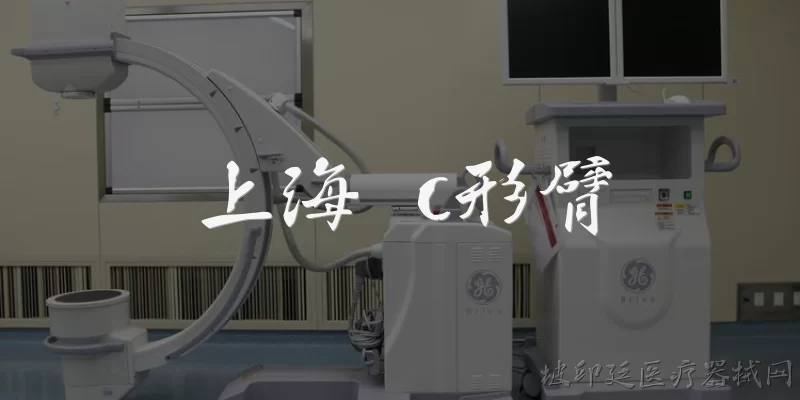
A: A Shanghai C-arm refers to a mobile C-arm X-ray imaging system manufactured in Shanghai, China, widely used for intraoperative fluoroscopic guidance. These devices produce real-time radiographic images during surgical, orthopedic, pain management, and interventional procedures, allowing physicians to visualize bones, instruments, and implants without opening the patient. The C-shaped gantry holds an X-ray source and detector on opposite ends, enabling flexible positioning around the patient. Shanghai-based manufacturers produce both entry-level and advanced models with features like pulsed fluoroscopy, digital image processing, and enhanced detector technology. These systems are popular in hospitals and clinics globally due to their cost-effectiveness, reliability, and improving imaging quality, making them practical alternatives to premium international brands for routine intraoperative imaging needs.
Q: How does a Shanghai C-arm differ from premium imported C-arm systems?
A: Shanghai C-arms generally offer a lower price point than premium imported systems from established Western and Japanese brands, which makes them attractive for budget-conscious hospitals and emerging markets. While high-end imported C-arms may feature superior detector resolution, advanced dose-reduction algorithms, and sophisticated post-processing software, Shanghai manufacturers have narrowed the gap significantly in recent years, with many models now incorporating flat-panel detectors, pulsed fluoroscopy, and digital subtraction capabilities. Differences often lie in image processing refinement, long-term reliability, service network depth, and regulatory certifications such as FDA or CE marking, which vary by manufacturer. Buyers should evaluate specific technical specifications, warranty terms, local service support, and clinical requirements rather than assuming quality based on origin alone, as several Shanghai brands meet international standards for routine intraoperative use.
Q: What key specifications should I consider when purchasing a Shanghai C-arm?
A: When evaluating a Shanghai C-arm, consider detector type and size, as flat-panel detectors generally offer better image quality than image intensifiers, though at higher cost. Check the fluoroscopic power output, typically measured in kW, and the maximum kVp and mA ranges suited to your clinical applications. Assess image resolution, frame rate options, and availability of pulsed fluoroscopy to reduce radiation dose. Mechanical factors matter too: C-arm arc depth, free space for patient positioning, motorized versus manual movements, and weight or mobility for sharing between rooms. Evaluate the monitor quality and number of displays, DICOM compatibility for PACS integration, and dose reporting features. Finally, confirm regulatory certifications, warranty coverage, availability of spare parts, and the manufacturer's local service and training support, since after-sales infrastructure often determines long-term satisfaction more than initial price.
Q: Are Shanghai C-arms suitable for orthopedic and pain management procedures?
A: Yes, Shanghai C-arms are commonly used in orthopedic surgery and pain management. In orthopedics, they provide real-time guidance for fracture reduction, intramedullary nailing, joint replacement verification, and external fixation, where clear visualization of bone and hardware is essential. For pain management, they support precise needle placement during procedures such as epidural steroid injections, facet joint blocks, radiofrequency ablation, and nerve blocks, where fluoroscopic confirmation improves safety and accuracy. Modern Shanghai models with flat-panel detectors and pulsed fluoroscopy offer sufficient image clarity and dose control for these applications. However, clinicians should verify that the specific model's image quality, C-arm arc flexibility, and radiation safety features meet their procedural demands, and ensure staff receive proper training on the device to optimize outcomes and minimize radiation exposure during routine use.
Words of experience
Common scenarios of "Shanghai C-arm"
【Sales Representative】 Good morning, Dr. Chen. Thank you for taking the time to meet. I'm Li Wei from MedTech Solutions. I understand your hospital is looking to upgrade its imaging equipment, particularly C-arm systems.
【Radiologist】 Good morning, Mr. Li. Yes, we've been evaluating options. Our current C-arms are aging, and we need better image quality for our interventional procedures. I heard Shanghai-made C-arms have improved significantly.
【Sales Representative】 Absolutely correct. The latest Shanghai C-arm models, especially from United Imaging and Siemens Shanghai, offer excellent fluoroscopic image quality with advanced flat-panel detectors. They're now competitive with imported brands at a much better price point.
【Radiologist】 That's encouraging. But I have concerns about after-sales service and spare parts availability. With imported brands, we know what we're getting.
【Sales Representative】 That's a valid concern, and I'm glad you raised it. Shanghai manufacturers have established comprehensive service networks across China, with response times typically under 24 hours in major cities. Spare parts are also more readily available since they're domestically produced.
【Radiologist】 What about the technical specifications? Our interventional cardiology department needs high frame rates and low radiation dose.
【Sales Representative】 The latest Shanghai C-arms offer frame rates up to 30 fps and advanced dose-reduction technology. For example, United Imaging's uAngio 960 features AI-based dose optimization that can reduce radiation exposure by up to 40% compared to older systems.
【Radiologist】 That sounds promising. How does the price compare to, say, a GE or Philips system?
【Sales Representative】 Typically, Shanghai C-arms are 30-40% less expensive than equivalent imported models. A high-end Shanghai system might cost around 3-4 million RMB, while a comparable imported system could be 5-6 million RMB.
【Radiologist】 That's a significant difference. But I need to ensure the image quality meets our standards for complex interventions. Can we arrange a demonstration?
【Sales Representative】 Of course. We can set up a demo at our Shanghai facility or bring a unit to your hospital for a trial. We also have reference sites where you can speak with other radiologists already using these systems.
【Radiologist】 Good. I'd also like to know about the warranty and training. Our staff will need proper training to use the new system effectively.
【Sales Representative】 Standard warranty is two years, with options to extend. Training is included—typically a two-week on-site program for your technologists and radiologists, plus ongoing support. We also offer refresher courses.
【Radiologist】 What about integration with our existing PACS and hospital information system? We use a mix of vendors.
【Sales Representative】 Shanghai C-arms support DICOM 3.0 and HL7 standards, so integration is straightforward. Our team will work with your IT department to ensure seamless connectivity. We've done this at over 200 hospitals nationwide.
【Radiologist】 That's reassuring. One more thing: regulatory approval. Are these systems CFDA approved?
【Sales Representative】 Yes, all Shanghai C-arms we represent have CFDA approval and meet international standards like CE and FDA for export models. We can provide all certification documents for your review.
【Radiologist】 Excellent. I think we should proceed with a demo and a site visit. Can you prepare a detailed proposal with specifications and pricing for our committee?
【Sales Representative】 Absolutely. I'll have a proposal ready by next week, including a comparison with imported options and a total cost of ownership analysis. I'll also coordinate the demo schedule with your office.
【Radiologist】 Perfect. Please also include information on the upgrade path and long-term support, as we plan to use this system for at least 8-10 years.
【Sales Representative】 Will do. I'll include a technology roadmap and a service level agreement outline. Thank you for your time, Dr. Chen. I'll follow up with your assistant to confirm the details.