APD automated peritoneal dialysis machine:What is an APD automated peritoneal dialysis machine and how does it work?
Q: What is an APD automated peritoneal dialysis machine and how does it work?
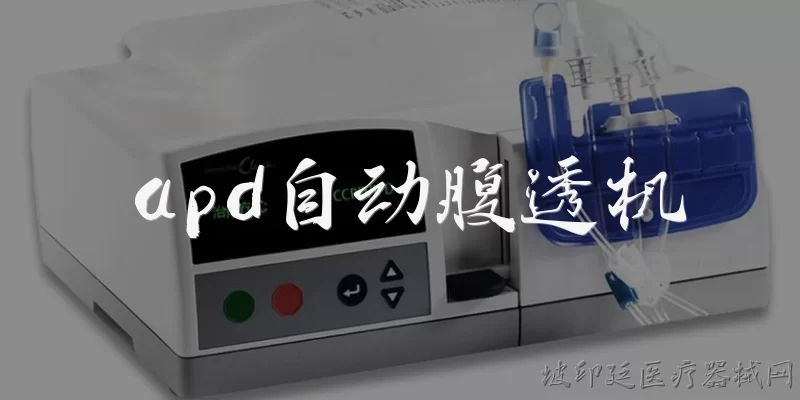
A: An APD automated peritoneal dialysis machine is a medical device that performs peritoneal dialysis automatically, typically overnight while the patient sleeps. Instead of manually exchanging dialysate bags several times a day, the machine connects to a catheter implanted in the patient's abdomen and cycles sterile dialysis solution in and out of the peritoneal cavity according to a pre-programmed prescription. The APD machine warms the solution to body temperature, fills the abdomen, lets it dwell for a set period so waste products and excess fluid can move across the peritoneal membrane into the dialysate, then drains the used fluid into a waste bag. This fill-dwell-drain cycle repeats automatically multiple times per session. Most treatments last eight to ten hours and can be customized for fill volume, dwell time, and number of cycles. Because the process is automated, patients gain freedom during the day, experience fewer manual exchanges, and often achieve better clearance and fluid removal than with continuous ambulatory peritoneal dialysis. Modern APD machines also include safety alarms, remote monitoring capabilities, and data logging for clinical review.
Q: What are the key benefits of using an APD automated peritoneal dialysis machine for kidney failure patients?
A: The main benefit of an APD automated peritoneal dialysis machine is convenience and lifestyle flexibility. Because treatments run overnight, patients can work, study, or travel during the day without scheduling manual exchanges every few hours. Automation also reduces the risk of touch contamination and peritonitis associated with manual bag changes. For many patients, APD provides better solute clearance and ultrafiltration than continuous ambulatory peritoneal dialysis, especially for those who need higher dialysis doses. The machine can tailor fill volumes, dwell times, and cycle numbers to the individual prescription, which helps optimize treatment while minimizing discomfort. Modern APD machines offer remote monitoring, allowing healthcare teams to review treatment data and adjust prescriptions without an in-person visit. Patients also report improved sleep quality and less abdominal fullness during the day. In addition, APD can be performed at home, reducing travel to a dialysis center and lowering overall treatment costs. Some machines are portable enough for travel, giving patients more freedom. Overall, APD supports better adherence, improved clinical outcomes, and a higher quality of life for suitable kidney failure patients.
Q: How do you choose the right APD automated peritoneal dialysis machine and what should patients consider?
A: Choosing the right APD automated peritoneal dialysis machine depends on clinical needs, lifestyle, and support factors. First, the prescription matters: the machine must deliver the fill volume, dwell time, and number of cycles your nephrologist orders, so check its programmable range and accuracy. Second, consider size, weight, and portability if you travel. Third, evaluate ease of use—touchscreen interface, setup time, alarm clarity, and noise level affect nightly experience. Fourth, look for safety features such as occlusion alarms, air detection, and automated disconnection. Fifth, check compatibility with your catheter and whether the supplier provides training, 24/7 support, and timely consumable delivery. Remote monitoring capability is increasingly important because it lets your care team adjust treatment without clinic visits. Also review warranty, service response times, and insurance or reimbursement coverage. Finally, ask your dialysis nurse or social worker about local machine options and patient-reported satisfaction. A trial or demonstration can reveal whether the machine fits your home and routine. The best choice balances medical suitability, usability, and reliable support to ensure consistent, effective home dialysis.
Words of experience
Common scenarios of "APD automated peritoneal dialysis machine"
【Patient】 Doctor, my nephrologist mentioned APD automated peritoneal dialysis as an option for me. Can you explain what it actually is?
【Nephrologist】 Absolutely. APD stands for Automated Peritoneal Dialysis. It's a form of peritoneal dialysis where a machine called a cycler automatically performs the exchanges of dialysate while you sleep, usually at night.
【Patient】 So I wouldn't have to do manual exchanges during the day?
【Nephrologist】 Exactly. With APD, the machine fills your abdomen with dialysate, dwells, then drains it, repeating cycles according to a programmed schedule. You connect yourself before bed and disconnect in the morning.
【Patient】 How long does each session usually take?
【Nephrologist】 Typically 8 to 10 hours overnight, but it depends on your prescription. The machine can be programmed for the number of cycles, fill volume, and dwell time.
【Patient】 Is it painful?
【Nephrologist】 Most patients don't feel pain, though some may feel a sense of fullness when the abdomen is filled. The catheter site might be tender initially, but that improves.
【Patient】 What are the advantages over manual PD?
【Nephrologist】 APD offers more dialysis while you sleep, fewer daytime exchanges, and often better clearance for some patients. It also gives you more freedom during the day for work or activities.
【Patient】 Are there any disadvantages?
【Nephrologist】 It requires a machine, electricity, and supplies. You need space for the equipment. Also, some patients may have discomfort from the cycles or experience alarms at night.
【Patient】 Can I travel with the APD machine?
【Nephrologist】 Yes, many cyclers are portable, and you can arrange for supplies to be delivered to your destination. You'll need to plan ahead with your dialysis center.
【Patient】 What about infection risk?
【Nephrologist】 Peritonitis is a risk with any PD, but APD has a lower rate of infection compared to manual PD because there are fewer connections. Still, you must follow sterile technique.
【Patient】 How do I know if I'm a candidate for APD?
【Nephrologist】 We evaluate your medical condition, lifestyle, and support system. Generally, if you're stable and can manage the machine, you're a candidate. Some patients with severe abdominal adhesions may not be.
【Patient】 Will I need training?
【Nephrologist】 Yes, you'll undergo training with a dialysis nurse, usually for a week or two, to learn how to set up the machine, connect, and troubleshoot alarms.
【Patient】 What happens if the machine malfunctions at night?
【Nephrologist】 The machine has alarms. You can switch to manual exchanges if needed, and you'll have a backup plan. Most issues can be resolved with a phone call to the support line.
【Patient】 Does APD affect my diet?
【Nephrologist】 Your diet may be less restrictive than with in-center hemodialysis, but you still need to watch fluids, potassium, and phosphorus. A renal dietitian will guide you.
【Patient】 Can I exercise or swim?
【Nephrologist】 Once healed, you can exercise, but avoid heavy lifting or contact sports. Swimming is generally not recommended because of infection risk, unless your catheter is well protected and healed.
【Patient】 What about sleep quality?
【Nephrologist】 Some patients sleep well, others are disturbed by alarms or the machine noise. It may take adjustment. We can tweak settings to minimize interruptions.
【Patient】 Is APD covered by insurance?
【Nephrologist】 In most countries, dialysis including APD is covered by national health systems or insurance. You should check with your provider for specifics.
【Patient】 Thank you, doctor. I feel more informed now.
【Nephrologist】 You're welcome. We'll discuss with your care team to see if APD is the best fit for you. Feel free to ask more questions anytime.